Leave Your Message
0%

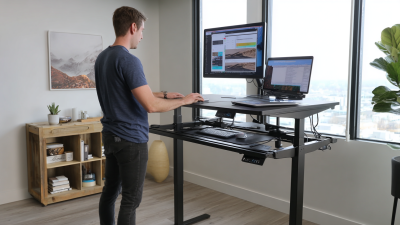
In today's fast-paced work environment, maximizing productivity has become a crucial goal for businesses around the globe. One effective strategy gaining traction is the integration of Standup Desks into the workplace. These innovative desks not only encourage better posture and health but also significantly enhance focus and energy levels among employees. At Guangdong Junshi Intelligent Furniture Co., Ltd., we are at the forefront of this movement, providing smart office solutions that blend cutting-edge technology with ergonomic design. Our expert R&D team is dedicated to serving governments, enterprises, and institutions by creating intelligent workspace systems that optimize efficiency and well-being. By adopting Standup Desks, businesses can potentially boost their productivity by up to 30 percent, paving the way for a more dynamic and engaging work atmosphere. This article will explore how incorporating Standup Desks can transform your office environment and drive exceptional results.
How to Boost Productivity by 30 Percent with Standup Desks in Your Workplace

Benefits of Standup Desks for Employee Well-being and Energy Levels

How to Boost Productivity by 30 Percent with Standup Desks in Your Workplace In recent years, standup desks have gained popularity as effective tools for enhancing employee well-being and energy levels in the workplace. Research indicates that the use of standup desks can lead to a significant reduction in sedentary behavior, with office workers standing 30% more compared to traditional desk setups. A study published in the Journal of Physical Activity and Health found that employees using standup desks reported a 46% increase in productivity and improved mood throughout the workday.

Moving to a stand-up working environment allows for better circulation and increased energy. According to a report by the American Journal of Preventive Medicine, Standing Desks can help reducefatigue, back pain, and discomfort, which are common issues faced by desk workers. This increase in comfort can translate into higher concentration levels, fostering creativity and collaboration among employees.

Tips for Implementation:
1. Encourage Movement: Integrate regular standing breaks into your team's schedule. Encourage employees to stand during meetings or take quick walks around the office.
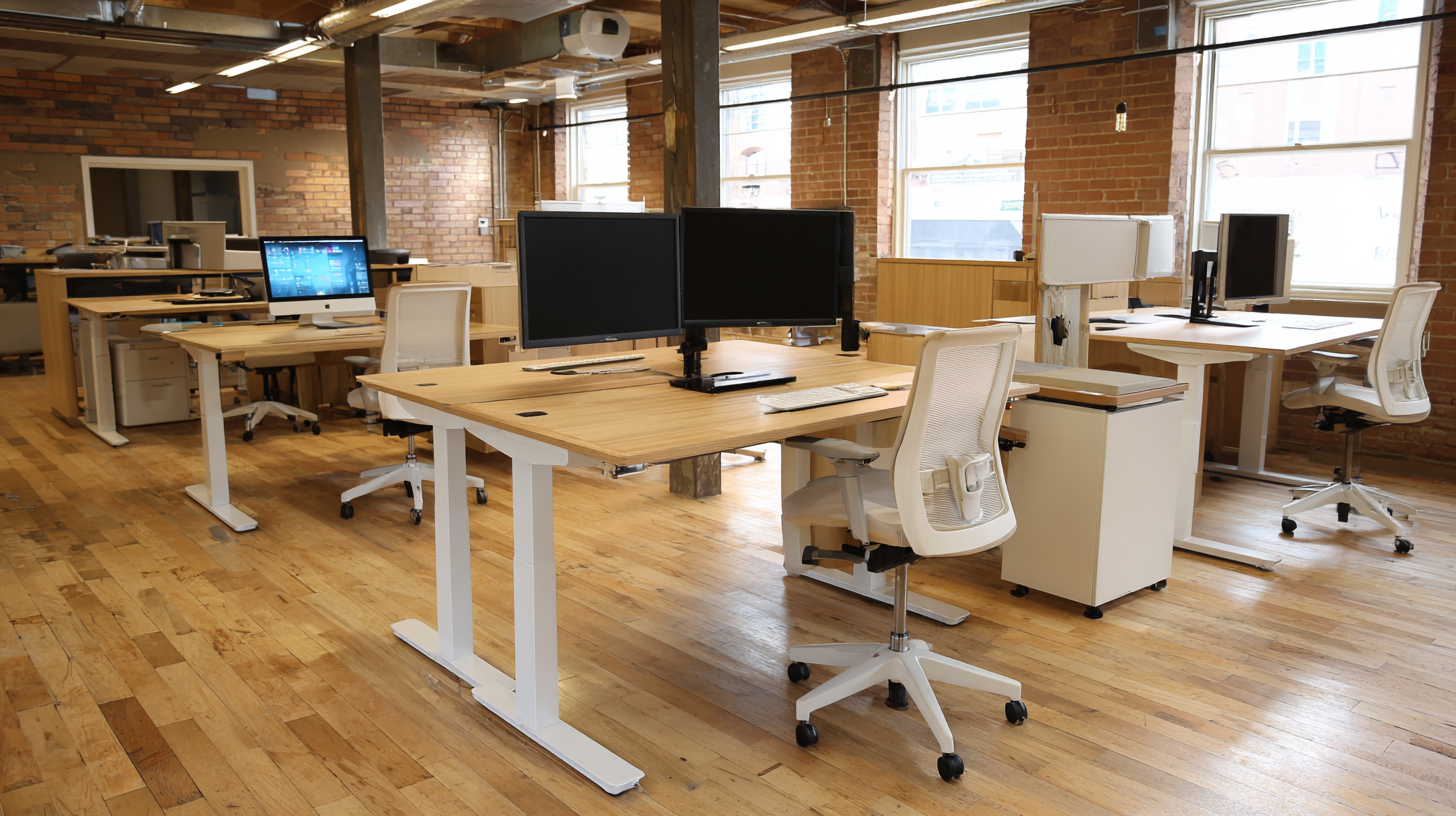
2. Create an Ergonomic Setup: Ensure that standup desks are adjustable and encourage proper posture to maximize the benefits of standing while working.
3. Monitor Energy Levels: Regularly assess employee feedback on their energy and comfort levels after introducing standup desks to adapt the workspace according to their needs.

Innovative Ways to Integrate Standup Desks into Your Office Layout

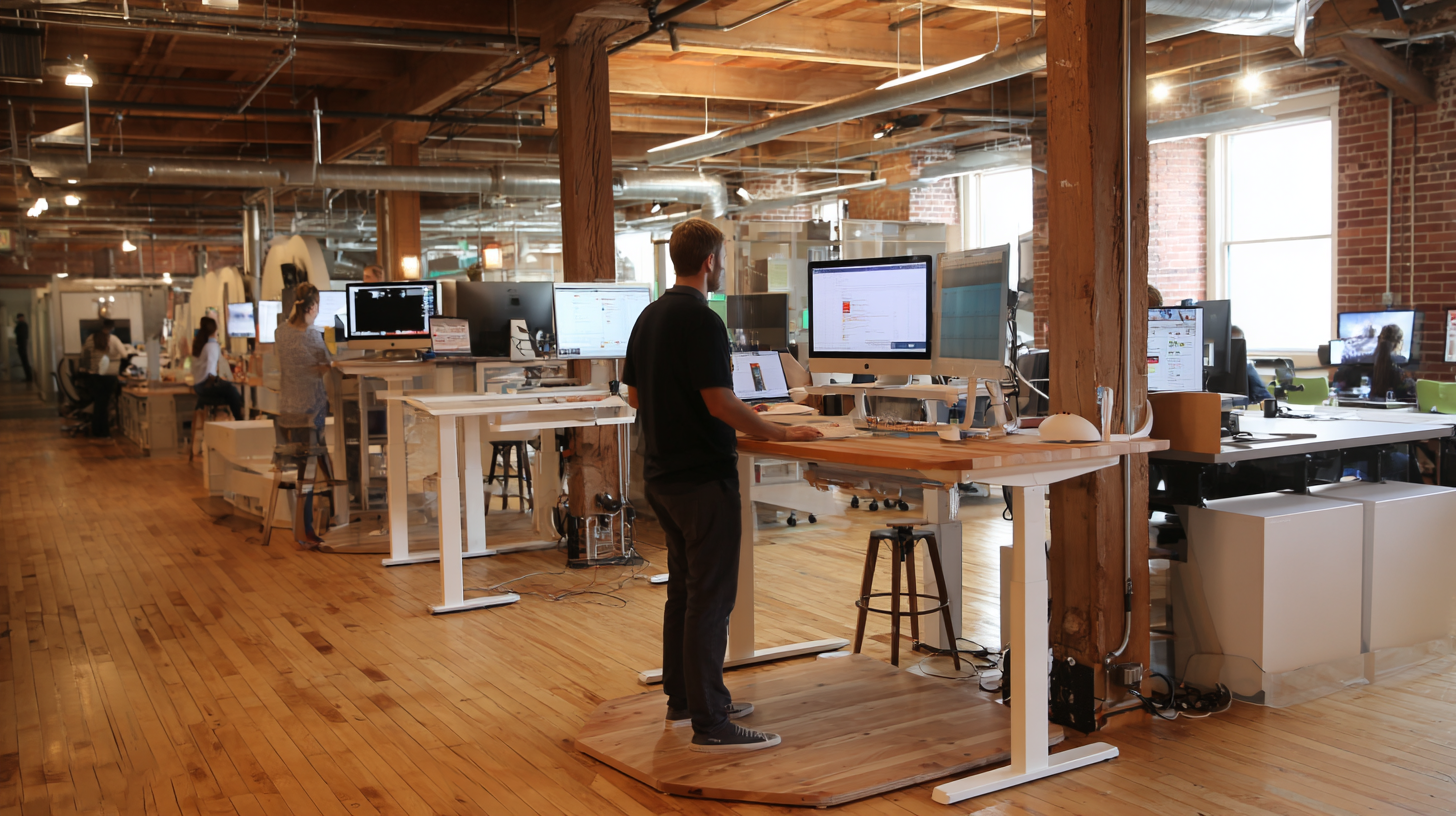
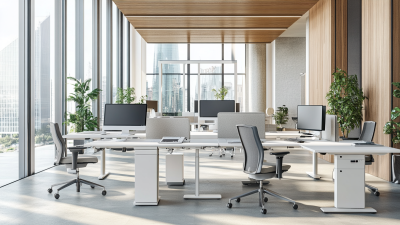
Integrating standup desks into your office layout can significantly enhance productivity and employee well-being. According to a report by Global Workplace Analytics, incorporating sit-stand desks can increase productivity by up to 30%. This shift not only encourages better posture—reducing the risk of health issues—but also fosters a more dynamic work environment. By strategically placing standup desks in high-traffic areas or collaborative spaces, you can create an energetic atmosphere that prompts engagement and innovation.


To effectively integrate standup desks, consider implementing a rotational policy where employees alternate between sitting and standing throughout the day. This method can prevent fatigue and minimize distractions. Additionally, establishing designated standing zones equipped with resources such as whiteboards and collaborative tools can encourage teamwork and spontaneous brainstorming sessions.


Tips: To optimize the use of standup desks, ensure that employees are trained on proper ergonomic practices to maintain comfort. Furthermore, encouraging short, regular breaks for stretching can enhance physical well-being, making the transition to standing work more sustainable. Creating a supportive culture around this change can lead to lasting improvements in employee morale and productivity.

Strategies for Encouraging Employees to Use Standup Desks Regularly

To encourage employees to utilize standup desks regularly, organizations can implement several effective strategies backed by industry research. A study by the University of Iowa found that employees who used standup desks reported a 10% increase in productivity and a 30% reduction in fatigue. This can be attributed to the improved energy levels associated with standing while working. To foster this transition, companies should incorporate ergonomics training, educating employees on the proper use of standup desks and the health benefits, which include reduced risk of obesity and cardiovascular diseases.

How to Boost Productivity by 30 Percent with Standup Desks in Your Workplace

Additionally, creating an inviting workplace culture that values movement can significantly boost adoption rates. Research published by the American Journal of Public Health indicates that workplaces that encourage regular breaks and physical activity see a 14% increase in job satisfaction. Organizations can promote this by hosting "standing meetings" or providing incentives for employees who utilize standup desks. Utilizing visual prompts, such as reminders or success stories from colleagues, can also motivate staff to adopt this healthier work style, making standing a norm rather than an exception in their daily routines.

Measuring Productivity Improvements After Implementing Standup Desks

Implementing standup desks in the workplace can lead to significant improvements in productivity, with various studies supporting these claims. Research conducted by the University of Utah found that employees using standup desks reported a 10% increase in overall productivity within just a few weeks of implementation. This increase can be attributed to reduced discomfort and fatigue associated with prolonged sitting, which ultimately leads to better focus and efficiency in task completion.

Furthermore, the American Journal of Preventive Medicine highlighted that workers who alternate between sitting and standing showed a marked improvement in engagement levels. Specifically, 47% of employees indicated they were more productive after using standup desks, with a 36% reduction in feelings of fatigue and a 25% decrease in work-related discomfort. As companies increasingly adopt flexible working practices, the measurable impact of standup desks becomes evident, making them an essential consideration for enhancing workplace productivity.

How to Boost Productivity by 30 Percent with Standup Desks in Your Workplace - Measuring Productivity Improvements After Implementing Standup Desks

Department Average Productivity Before (%) Average Productivity After (%) Productivity Increase (%) Employee Satisfaction (1-10)
Sales 65 82 26 8
Marketing 70 90 29 9
Development 75 95 27 7
Customer Support 60 75 25 8
HR 67 85 27 9

Tips for Maintaining Comfort and Focus While Using Standup Desks

When integrating standup desks into your workplace, maintaining comfort is essential for maximizing productivity. One of the primary considerations is to ensure that your desk is set at an appropriate height. Your elbows should form a 90-degree angle while typing, and your screen should be at eye levelto prevent strain on your neck and back. Utilizing an Ergonomic Chair that supports quick transitions between sitting and standing can greatly enhance comfort levels throughout the day.

Focus is another critical aspect while using standup desks. To minimize distractions, create a designated workspace that encourages concentration. Incorporating anti-fatigue mats can provide support for your feet while standing, making longer periods of use more bearable. Additionally, consider using noise-canceling headphones to drown out background noise, allowing for better focus on tasks. Regular breaks to stretch and walk can also boost energy levels and prevent burnout, ensuring that the use of standup desks translates to increased productivity effectively.

FAQS

: What are the benefits of using standup desks according to research?

: Research indicates that employees using standup desks experience a 10% increase in productivity and a 30% reduction in fatigue, which is attributed to improved energy levels associated with standing while working.

How can organizations encourage employees to use standup desks regularly?

Organizations can encourage use by providing ergonomics training, promoting a culture of movement, hosting standing meetings, giving incentives, and utilizing visual prompts to motivate staff.

What improvements in productivity have been observed after implementing standup desks?

Studies show that employees using standup desks can report a 10% increase in overall productivity within weeks, with significant reductions in discomfort and fatigue leading to better focus and efficiency.

What percentage of employees reported increased productivity after using standup desks?

Research found that 47% of employees reported being more productive after using standup desks, along with reductions in fatigue and work-related discomfort.

How should standup desks be set up for optimal comfort?

To maintain comfort, the desk height should allow for elbows to form a 90-degree angle while typing, and the screen should be at eye level to prevent strain on the neck and back.

What can help maintain focus while using standup desks?

Creating a designated workspace, using anti-fatigue mats, wearing noise-canceling headphones, and taking regular breaks to stretch can enhance focus and productivity.

What role does workplace culture play in the adoption of standup desks?

A workplace culture that values movement and encourages regular breaks and physical activity can lead to increased job satisfaction and higher adoption rates of standup desks.

What health benefits are associated with using standup desks?

Health benefits include a reduced risk of obesity and cardiovascular diseases, as well as decreased fatigue and discomfort from prolonged sitting.

How can regular physical activity be incorporated into the workday?

Organizations can incorporate regular physical activity by hosting standing meetings and encouraging employees to take breaks for movement throughout the day.

What are some considerations for using standup desks effectively?

Key considerations include proper desk height and ergonomics, creating a suitable workspace, minimizing distractions, and ensuring regular breaks to maintain energy and prevent burnout.

Conclusion

Standup desks have emerged as a powerful tool for enhancing employee productivity and well-being in the workplace. By promoting better posture and increasing energy levels, these innovative workstations can help employees feel more engaged and focused. Integrating standup desks into the office layout requires creativity, such as creating collaborative spaces that encourage movement and interaction. To maximize benefits, companies should implement strategies to encourage regular use, such as scheduLED stand-up meetings or designated standing periods throughout the day.

Measuring the productivity improvements post-implementation is crucial for understanding the impact of standup desks. Additionally, maintaining comfort and reducing fatigue through ergonomic design is essential for ensuring employees remain productive while using these desks. With the right approach, standup desks can lead to a significant boost in workplace efficiency, aligning with Guangdong Junshi Intelligent Furniture Co., Ltd.'s mission to provide smart office solutions that marry advanced technology with ergonomic principles.
Alice

Alice

Alice is a dedicated marketing professional at Guangdong Junshi Intelligent Furniture Co., Ltd., where she plays a pivotal role in promoting innovative smart office solutions. With extensive knowledge of the company's products, Alice effectively communicates the intricacies of ergonomic design and......
Previous Maximize Office Cabinet Value with 5 Aftermarket Service Strategies and Maintenance Cost Insights